How to Avoid Liquidation in Crypto Futures Trading: Complete Beginner’s Guide 2026
Alex on 28 February, 2026 | No Comments
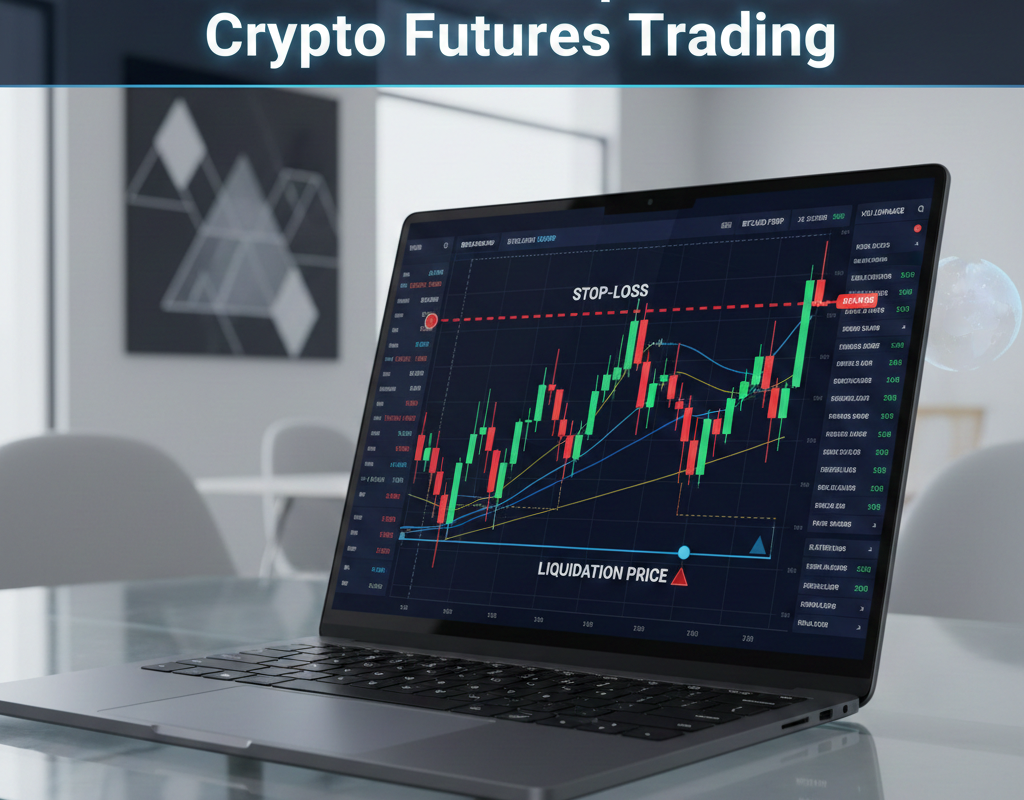
How to Avoid Liquidation in Crypto Futures Trading
Trading crypto futures can be extremely profitable—but it comes with one major danger: liquidation. Many beginners jump in without understanding the risks and end up losing their entire account. In this guide, we’ll break down how liquidation happens, the strategies to avoid it, and tips to protect your capital while trading futures.
1. What is Liquidation in Crypto Futures?
Liquidation occurs when your account’s margin falls below the required maintenance level. Essentially, if the trade moves against you too much, your broker automatically closes your position to prevent further loss.
For example:
- You open a $1000 long BTC position with 10x leverage.
- BTC price drops 10%.
- Your account may be liquidated because the loss exceeds your margin.
💡 Key Point: The higher the leverage, the faster you get liquidated if the market moves against you.
2. Understand Leverage and Its Impact
Leverage lets you control a larger position than your capital. While it can amplify profits, it also amplifies losses.
Tips:
- Beginners should avoid using extremely high leverage (50x+).
- Start with 2x–5x leverage until you are confident.
- Always calculate your liquidation price before opening a trade.
3. Proper Risk Management is Critical
Risk management is the single most important factor to avoid liquidation.
Best Practices:
- Only risk 1–2% of your total account per trade.
- Use stop-loss orders to automatically close positions before hitting liquidation.
- Don’t overtrade multiple positions at once.
💡 Remember: Protecting capital is more important than chasing huge profits.
4. Use the Correct Position Size
Many traders get liquidated because their position size is too large for their account.
Position Size Formula:
Position Size = (Account Balance × Risk %) / Distance to Stop-Loss
Example:
- Account balance: $1,000
- Risk per trade: 2% ($20)
- Distance to stop-loss: 5%
- Position size = $20 / 0.05 = $400
This ensures even if the price hits your stop-loss, you only lose $20.
5. Avoid Emotional Trading
Emotions are a major reason traders get liquidated. Fear, greed, and overconfidence often lead to:
- Increasing leverage to “recover losses”
- Ignoring stop-losses
- Entering trades without strategy
✅ Always stick to your trading plan. Treat each trade as just another opportunity, not a life-or-death situation.
6. Monitor Funding Rates and Market Conditions
In futures, exchanges often charge funding rates for long or short positions.
- If funding rates are high, holding a leveraged position can drain your account.
- Be aware of news events, which can cause sudden market swings and trigger liquidation.
💡 Tip: Trade during periods of lower volatility if you are a beginner.
7. Hedging Positions
Hedging is a strategy to protect your trades from big losses:
- Open an opposite position in a smaller size to reduce risk
- Example: If you are long BTC, open a small short position as insurance
This can help prevent liquidation during unexpected market swings.
8. Practice on Demo Accounts
Before trading real money:
- Use demo accounts offered by exchanges like Binance, Bybit, or FTX
- Test leverage, stop-losses, and risk management
- Learn to control emotions without risking capital
9. Summary Checklist to Avoid Liquidation
✅ Use low leverage (2x–5x)
✅ Risk 1–2% of your account per trade
✅ Always set stop-loss orders
✅ Calculate position size correctly
✅ Avoid emotional trading
✅ Watch funding rates and market conditions
✅ Use hedging when necessary
✅ Practice on demo accounts
Following these steps can significantly reduce the risk of liquidation and help you trade more confidently in crypto futures.
Conclusion
Liquidation is one of the biggest risks in crypto futures trading, but with proper leverage control, risk management, and emotional discipline, you can avoid it. Remember, capital preservation is more important than chasing profits.
Start small, trade smart, and gradually increase your skills and account size.