How to Avoid Liquidation in Crypto Futures Trading (Complete Risk Management Guide for 2026)
Alex on 24 February, 2026 | No Comments

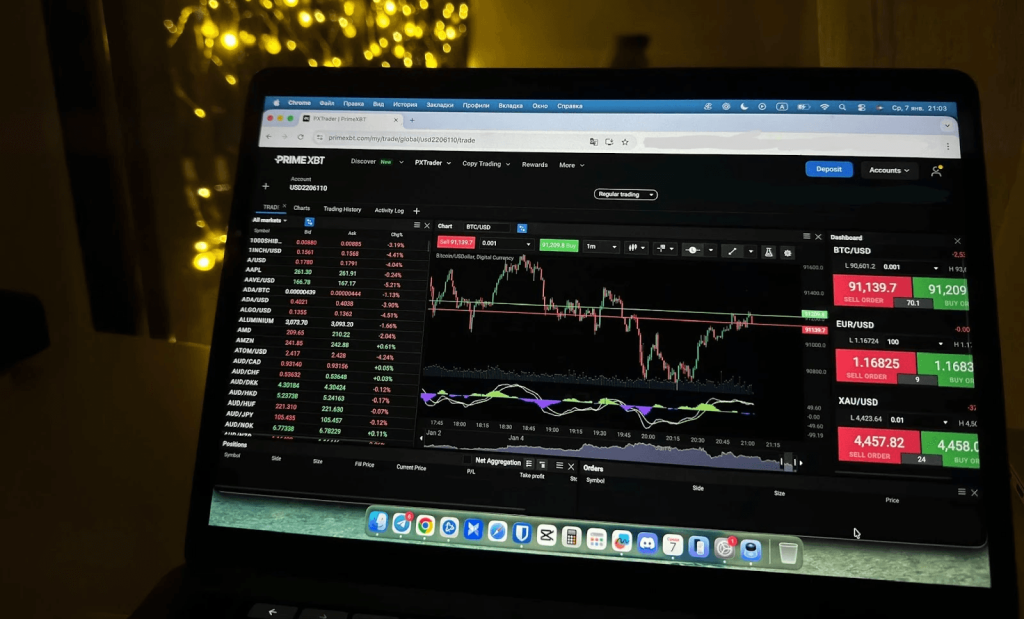
Crypto futures trading offers massive profit potential — but it also carries one brutal risk: liquidation.
Many traders enter leveraged positions without fully understanding how liquidation works. The result? Their entire margin disappears in seconds.
In this in-depth guide, you’ll learn:
- What liquidation really means
- Why traders get liquidated
- How leverage affects your account
- Proven strategies to avoid liquidation
- Risk management techniques used by professionals
Let’s break it down step-by-step.
📌 What Is Liquidation in Crypto Futures Trading?
Liquidation happens when your exchange automatically closes your position because your losses exceed your margin.
If you’re trading futures on platforms like:
- Binance
- Bybit
- OKX
They require you to maintain a minimum margin. If price moves against your position too much, your position is force-closed.
Simple Example:
- You open a $1,000 position
- You use 10x leverage
- You only deposit $100
If the market moves 10% against you → your $100 is gone → liquidation happens.
That’s how fast it works.
⚠ Why Most Traders Get Liquidated
Liquidation is rarely “bad luck.” It usually happens because of poor decisions.
Here are the top reasons:
1️⃣ Overusing Leverage
Using 20x, 50x, or even 100x leverage is extremely dangerous.
High leverage:
- Shrinks your liquidation price
- Increases emotional pressure
- Leaves no room for market fluctuation
Professional traders rarely go above 3x–5x leverage.
2️⃣ No Stop-Loss Strategy
Many beginners:
- Enter a trade
- Hope price reverses
- Refuse to close losing trades
Without a stop-loss, your exchange will close the trade for you — at liquidation.
3️⃣ Poor Risk Management
Risking 20–50% of your account on a single trade is gambling.
Smart traders risk:
- 1–2% per trade
That’s it.
4️⃣ Trading During High Volatility
Crypto markets are extremely volatile, especially with coins like:
- Bitcoin
- Ethereum
Major news events can cause rapid price swings that wipe out over-leveraged traders instantly.
🛡 Proven Strategies to Avoid Liquidation
Now let’s talk solutions.
1️⃣ Use Low Leverage (This Is Non-Negotiable)
If you’re a beginner:
- Stick to 2x–5x leverage
- Avoid 20x+ unless highly experienced
Lower leverage:
- Gives your trade breathing room
- Moves liquidation price further away
- Reduces emotional stress
Remember:
High leverage = fast profits + fast losses
Low leverage = slower growth + higher survival rate
Survival matters more than speed.
2️⃣ Always Use a Stop-Loss
A stop-loss protects you before liquidation happens.
Instead of losing 100% of margin, you might lose:
- 1%
- 2%
- 3%
Professional traders accept small losses.
Beginners hold until liquidation.
That’s the difference.
3️⃣ Follow the 1% Risk Rule
Here’s how it works:
If your account is $1,000:
- Risk only $10 per trade
Even if you lose 10 trades in a row:
- You still have $900
No emotional damage. No account destruction.
4️⃣ Understand Your Liquidation Price
Before entering any trade:
- Check your liquidation level
- Know how far price must move to wipe you out
- Make sure it’s not too close to entry
If liquidation price is too close, reduce leverage.
5️⃣ Avoid Trading Without a Plan
Never enter a trade because:
- Twitter says so
- Telegram signals
- You “feel” price will go up
Always ask:
- What’s my entry?
- What’s my stop-loss?
- What’s my take-profit?
- Is risk-reward at least 1:2?
No plan = guaranteed liquidation eventually.
📊 Risk-Reward Ratio Strategy
A strong risk-reward ratio protects you long term.
Example:
- Risk $10
- Target $30
You can lose 2 trades and still be profitable with 1 win.
That’s how professionals survive volatility.
🧠 Trading Psychology: The Hidden Killer
Most liquidations are emotional.
Common emotional mistakes:
- Revenge trading
- Increasing leverage after a loss
- Moving stop-loss further away
- Overtrading
Discipline beats intelligence in trading.
💡 Bonus: Advanced Tips to Reduce Liquidation Risk
✅ Use Isolated Margin Instead of Cross (If Beginner)
Cross margin uses your entire balance to prevent liquidation — but can wipe your whole account.
Isolated margin limits risk to one position.
✅ Avoid Trading During Major News
For example:
- Fed interest rate decisions
- ETF announcements
- Major crypto regulations
Volatility spikes → liquidation waves happen.
✅ Don’t Trade Low Liquidity Coins
Small altcoins can:
- Pump 20%
- Dump 30%
- Liquidate traders instantly
Stick to high-volume assets.
🚨 Signs You Are About to Get Liquidated Often
Be honest with yourself.
- You use 20x+ leverage regularly
- You don’t use stop-loss
- You risk more than 10% per trade
- You try to “recover” losses quickly
- You trade emotionally
If yes — liquidation is not random. It’s predictable.
📉 Real Truth: Even Professionals Take Losses
Avoiding liquidation does NOT mean avoiding losses.
It means:
- Taking controlled losses
- Preserving capital
- Surviving long enough to improve
Trading is a marathon, not a lottery.
🔐 The Golden Survival Formula
To avoid liquidation consistently:
- Use 2x–5x leverage
- Risk 1% per trade
- Always set stop-loss
- Trade high-liquidity coins
- Follow strict risk-reward ratio
- Never revenge trade
Do this consistently → your survival rate increases dramatically.
📌 Frequently Asked Questions (SEO Boost)
❓ Is liquidation the same as stop-loss?
No. Stop-loss is voluntary. Liquidation is forced by the exchange.
❓ Can I recover from liquidation?
Yes, but repeated liquidations destroy confidence and capital.
❓ Is high leverage always bad?
Not always — but it increases risk dramatically.
🏁 Final Thoughts
Crypto futures trading is powerful — but unforgiving.
Liquidation doesn’t happen because the market hates you.
It happens because:
- Risk is too high
- Leverage is too large
- Discipline is missing
If you focus on risk management first, profits will follow naturally.
Remember:
The goal is not to win every trade.
The goal is to stay in the game.
Trade smart. Protect capital. Grow slowly.